Threat Modelling
Book a consultation

We're accredited as world class cyber security experts
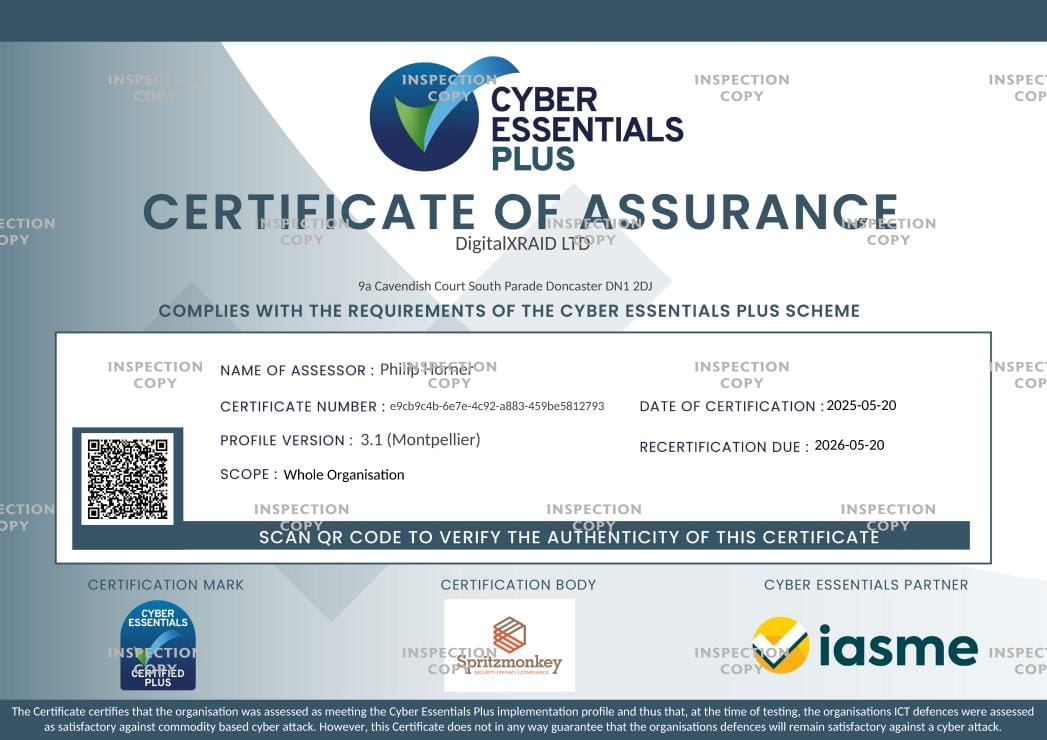
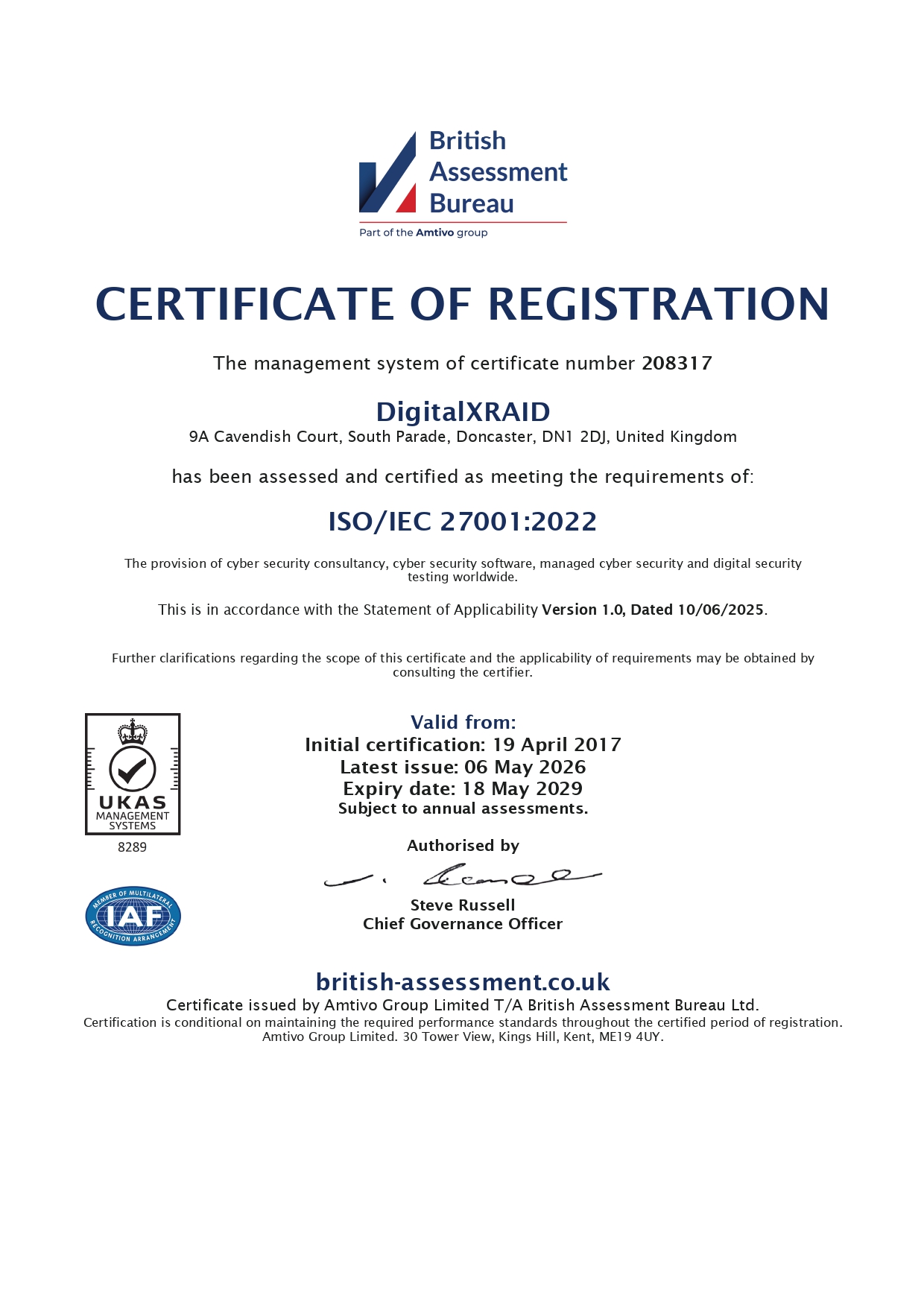

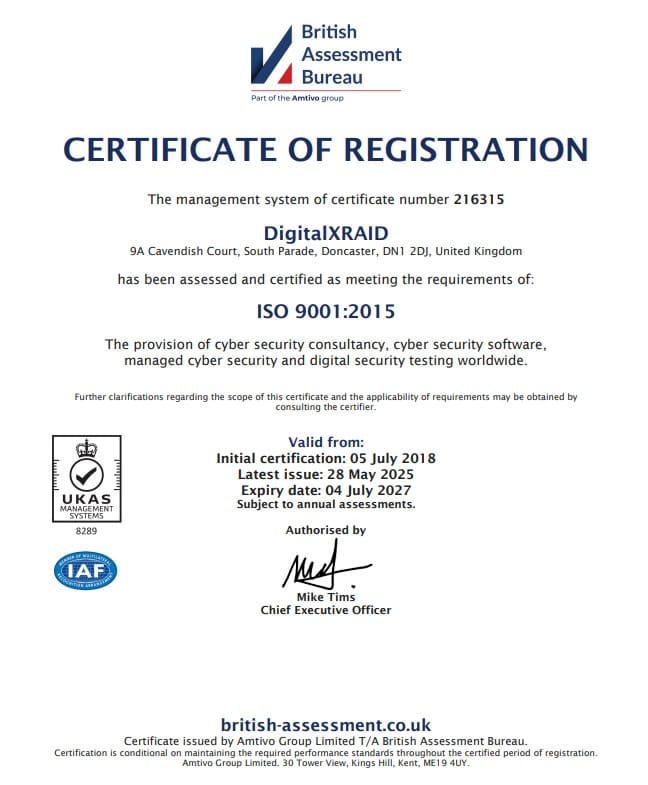



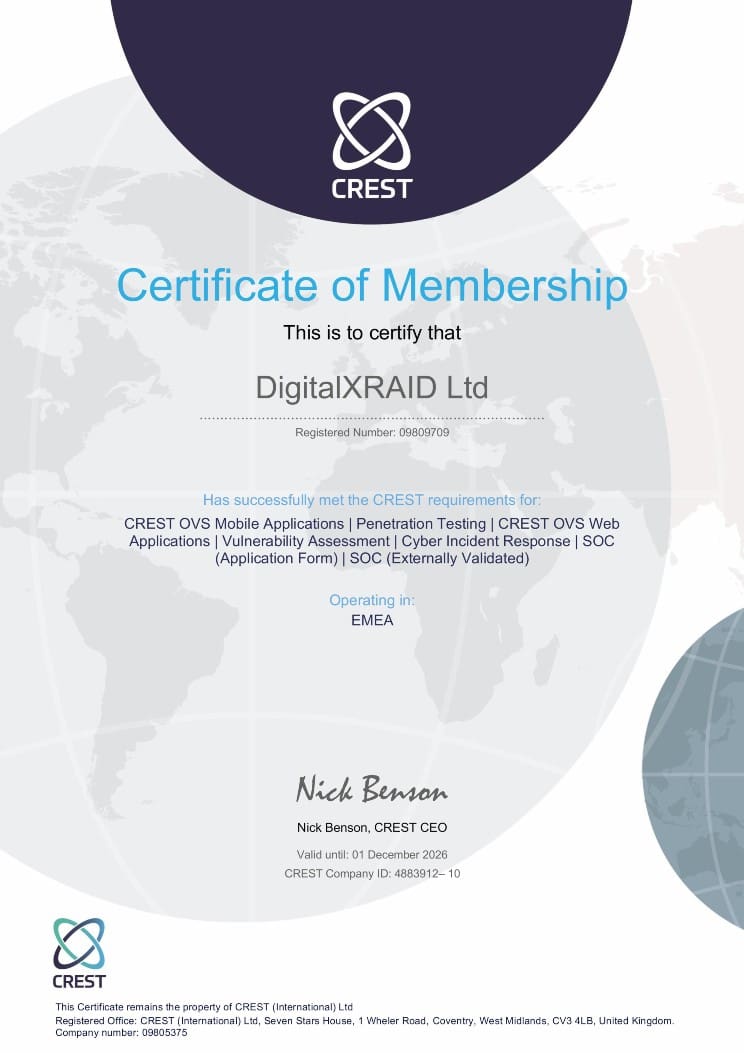
Threat modelling plays a crucial role in the cybersecurity processes needed to protect your business.
When implemented effectively, threat modelling allows you to understand the nature of the threats you face and how they’ll impact your systems.
When you partner with us, we’ll carry out a full threat modelling exercise for your business. It’s all part of our service, giving new clients a benchmark to use in your cybersecurity journey.
Threat actors are constantly evolving their tactics, and the impact of supply chain attacks can linger for months. In the past year alone, global data breaches intensified, with 72% more data compromises.
As a new client, we’ll carry out a full threat modelling exercise to identify the vulnerabilities affecting your apps, systems, and networks. This gives your IT team the tools they need to know the dangers, understand their potential impact, and know exactly what to do about them.
The threat modelling process involves analysing the systems that might be affected, exploring the things that could go wrong, recommending issue fixes, and assessing their success, all while taking the fast-changing cyber threat landscape into account.
How cyber-threat modelling works
The most appropriate threat modelling procedure will depend on the kind of systems or networks that you need examined. However, any threat modelling procedure will generally involve the following actions:
- Establishing areas of concern within your systems, processes, or applications
- Finding, listing, and verifying potential threats
- Creating a prioritised threat list
- Taking steps to remediate, eliminate, and control threats
- Checking the results
- Taking legal and regulatory compliance into account every step of the way


How we model threats
At DigitalXRAID, we’ll reveal vulnerabilities in your systems using a variety of powerful methodologies:
- The six-step STRIDE process covers Spoofing, Tampering, Repudiation, Information Disclosure, Denial of Service (DoS), and Elevation of Privilege
- The 5-step DREAD process explores Damage potential, Reproducibility, Exploitability, Affected users, and Discoverability
- The 7-step PASTA process looks into Process for Attack Simulation and Threat Analysis
- The 3-step OCTAVE process is all about Operationally Critical Threat Asset and Vulnerability Evaluation
- 5-phase NIST focuses on cybersecurity risks
- VAST involves Visual, Agile, Simple Threat modelling
- The Trike open-source framework reveals who can create, read, update and delete data
Identifying internal and client-side weaknesses in configuration, deployment, identity and session management empowers your business. Finding areas of improvement in authentications and authorisations, input validation, error handling and cryptography deliver more essential intel to keep your systems and data safe.
Why use us for threat modelling?
Our threat modelling framework uses a proven blend of intelligent templates, industry standards, up-to-date vulnerability lists, powerful security controls, process documentation, and specialist tools to find and mitigate threats. We have many years’ experience and our team contains some of the best-qualified experts in the UK.
Know exactly where your cyber security gaps are, how dangerous they are, and how to fix them.
Discuss your cyber security options
Get in touch today to speak to an expert and secure your business, or call us on 0800 090 3734
Protect Your Business & Your Reputation.
With a continued focus on security, you can rest assured that breaches and exploits won't be holding you back.